

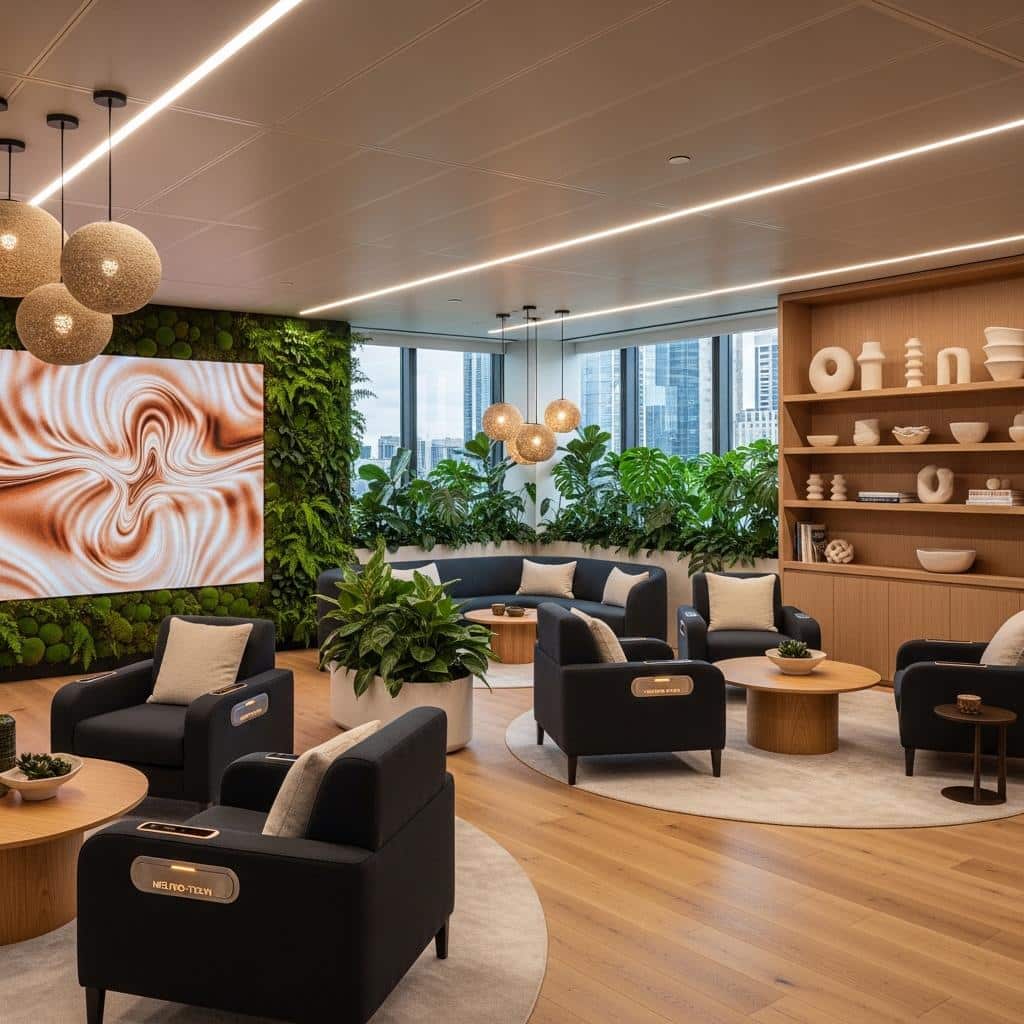
As the world of work continues to evolve, so too does our understanding of employee wellbeing. For businesses, staying ahead of corporate wellness trends is no longer a luxury but a strategic imperative. The focus has shifted from reactive, one-size-fits-all solutions to proactive, holistic programs that address the physical, mental, and emotional health of employees. In 2026, we’re seeing a move towards more integrated and impactful approaches that not only support staff but also drive organisational success. This article explores the key workplace wellness trends for 2026 and what they mean for forward-thinking Melbourne businesses.
The State of Corporate Wellness in Melbourne
Melbourne’s dynamic business landscape has always been competitive, but the post-pandemic era has intensified the focus on employee wellbeing. Organisations are increasingly recognising that a healthy, engaged workforce is the bedrock of resilience and innovation. However, many are still grappling with outdated wellness models that fail to deliver meaningful results. Traditional programs, often limited to gym memberships or generic mental health apps, are proving insufficient in addressing the complex challenges of modern work life, such as burnout, digital fatigue, and the need for greater flexibility.
The current environment demands a more sophisticated approach. There’s a growing awareness of the limitations of purely educational content; employees are seeking tangible, experiential solutions that provide genuine relief and build lasting skills. This shift is driving the emergence of new corporate wellness trends that are more personalised, data-driven, and integrated into the flow of work. As we look towards the future of corporate wellness, it’s clear that Melbourne businesses must adapt to these evolving expectations to attract and retain top talent and foster a thriving workplace culture.
Trend 1: Experiential Over Educational
For years, corporate wellness was dominated by educational content: seminars on stress management, articles on healthy eating, and workshops on financial literacy. While well-intentioned, this approach often falls short because it places the onus of change entirely on the employee without providing the tools or environment to support it. Information alone rarely translates into behaviour change.
The leading edge of workplace wellness in 2026 is experiential. Instead of just *telling* employees how to de-stress, forward-thinking companies are providing them with immersive experiences that facilitate genuine rest and recovery. This trend is about creating opportunities for employees to feel an immediate shift in their wellbeing. Think less PowerPoint presentations and more practical, restorative sessions.
At Mirosuna, we’ve seen firsthand the power of this approach. Our corporate wellness programs are designed around experiences like sound meditation and mindfulness practices, which allow participants to disconnect from work pressures and reconnect with themselves. These sessions provide a tangible sense of calm and clarity that a purely informational session simply cannot replicate. The future of corporate wellness lies in creating these moments of genuine restoration, empowering employees with skills they can integrate into their daily lives.
Trend 2: Sound and Sensory Wellness
One of the most significant wellness trends in Melbourne is the growing interest in sound and sensory-based therapies. In our hyper-stimulated world, where digital noise is constant, creating moments of sensory calm is becoming essential. Sound meditation, also known as a sound bath, is at the forefront of this movement. It uses resonant instruments like crystal singing bowls and gongs to create an immersive soundscape that guides the brain into a state of deep relaxation.
This is not just a fleeting trend; it’s a response to a deep-seated need. The gentle, resonant frequencies help to down-regulate the nervous system, reduce anxiety, and improve mental clarity. For employees, a 45-minute sound meditation session can feel as restorative as a full night’s sleep. It’s a powerful, science-backed tool for combating the chronic stress that is so prevalent in today’s corporate environments.
Organisations are beginning to understand that the office environment itself can be a source of stress. As a result, we’re seeing a greater emphasis on creating sensory-friendly workspaces. This includes everything from incorporating natural elements and calming colour palettes to providing quiet zones and dedicated meditation spaces. By considering the sensory experience of their employees, businesses can create a more supportive and productive environment.
Trend 3: Hybrid and Flexible Delivery
The rise of hybrid work models has fundamentally changed the way we think about delivering corporate wellness. Programs must now be accessible to employees regardless of their location. This has given rise to a new era of hybrid wellness, combining the best of in-person and virtual experiences.
For many teams, the shared experience of an in-person wellness session is invaluable for building connection and morale. A live sound meditation at the office, for example, can be a powerful way to bring a team together and reset the collective energy. However, for remote employees or those with demanding schedules, virtual sessions offer a level of flexibility and accessibility that is equally important.
Effective hybrid wellness is not just about streaming an in-person event. It’s about designing programs that are tailored to each format. Virtual sessions need to be just as engaging and immersive as their in-person counterparts, using high-quality audio and visual technology to create a sense of presence and connection. Mirosuna’s workplace wellness solutions, for instance, are designed to be delivered seamlessly in both formats, ensuring that every employee can benefit, whether they are in the boardroom or their home office.
Trend 4: Psychosocial Hazard Compliance
In recent years, there has been a significant legislative shift in Australia towards recognising and managing psychosocial hazards in the workplace. These are aspects of work design, management, and social context that can cause psychological harm. This includes factors like high job demands, low control, poor support, and workplace conflict.
In 2026, compliance with these regulations is no longer optional. Proactive management of psychosocial risks is a core component of corporate wellness. This means moving beyond token gestures and implementing systemic changes that create a psychologically safe environment. It involves training managers to recognise and address these hazards, redesigning roles to improve autonomy and support, and fostering a culture of open communication and respect.
Wellness programs play a crucial role in this new landscape. They can provide employees with the skills and resources to manage stress and build resilience, but they must be part of a broader strategy that addresses the root causes of workplace stress. By integrating wellness initiatives with a robust psychosocial risk management framework, organisations can create a truly healthy and sustainable work environment.
Trend 5: Personalised Wellness Programs
The one-size-fits-all approach to wellness is officially a thing of the past. Employees have diverse needs, preferences, and challenges, and they expect wellness programs that reflect this. The future of corporate wellness is personalised, offering a range of options that allow individuals to choose what works best for them.
This might mean providing a menu of different wellness activities, from high-energy fitness classes to quiet, contemplative practices like meditation. It could also involve using technology to deliver personalised recommendations and track progress. Some companies are even offering wellness stipends that allow employees to choose their own wellness-related services and products.
The key is to empower employees with choice and flexibility. When individuals feel that their unique needs are being considered, they are far more likely to engage with and benefit from wellness initiatives. This not only improves individual wellbeing but also sends a powerful message that the organisation values its employees as whole people.
Trend 6: Wellness as Talent Strategy
In a competitive job market, a strong wellness offering is a powerful differentiator. Top talent is increasingly looking for employers who are genuinely invested in their wellbeing. A comprehensive, modern wellness program is no longer a perk; it’s a critical component of an effective talent attraction and retention strategy.
Companies that prioritise wellness are seen as more caring, more progressive, and more desirable places to work. This can have a significant impact on their ability to attract the best and brightest. Furthermore, by investing in the wellbeing of their current employees, organisations can improve engagement, reduce turnover, and build a more loyal and committed workforce.
This trend is about reframing wellness as a strategic investment, not an expense. The return on this investment can be seen in improved productivity, reduced absenteeism, and a stronger employer brand. As Melbourne businesses compete for talent in 2026, those that embrace wellness as a core part of their strategy will have a distinct advantage.
What These Trends Mean for Your Organisation
Navigating these corporate wellness trends requires a strategic and thoughtful approach. It’s about moving beyond the superficial and embracing a deeper, more integrated vision of employee wellbeing. For Melbourne organisations, this means asking some important questions:
- Are our wellness initiatives truly experiential, or are they overly reliant on educational content?
- How can we incorporate sensory wellness to create a more restorative work environment?
- Is our wellness program flexible enough to meet the needs of our hybrid workforce?
- Are we proactively managing psychosocial hazards and creating a psychologically safe culture?
- Are we offering personalised wellness options that empower our employees with choice?
- Do we view wellness as a strategic investment in our talent and our future?
Answering these questions honestly is the first step towards building a wellness program that is fit for the future. It’s about creating a culture of wellbeing that is woven into the fabric of the organisation, supporting employees to thrive both personally and professionally.
Staying Ahead: Partnering with Innovative Providers
Keeping up with the latest workplace wellness trends 2026 can be challenging, especially for busy HR teams. That’s why partnering with an innovative and experienced provider is so crucial. The right partner can help you design and deliver a program that is not only aligned with the latest trends but also tailored to the unique needs of your organisation.
Look for a provider who understands the Melbourne market and has a proven track record of delivering impactful, evidence-based programs. They should be able to offer a range of experiential, sensory-based solutions and have the flexibility to deliver them in a hybrid format. Most importantly, they should be a strategic partner who can help you integrate wellness into your broader business strategy.
Keeping up with wellness trends Melbourne ensures your workplace remains competitive.
Ready to transform your workplace with evidence-based wellness programs? Contact Mirosuna today to discuss how we can support your team’s wellbeing.