

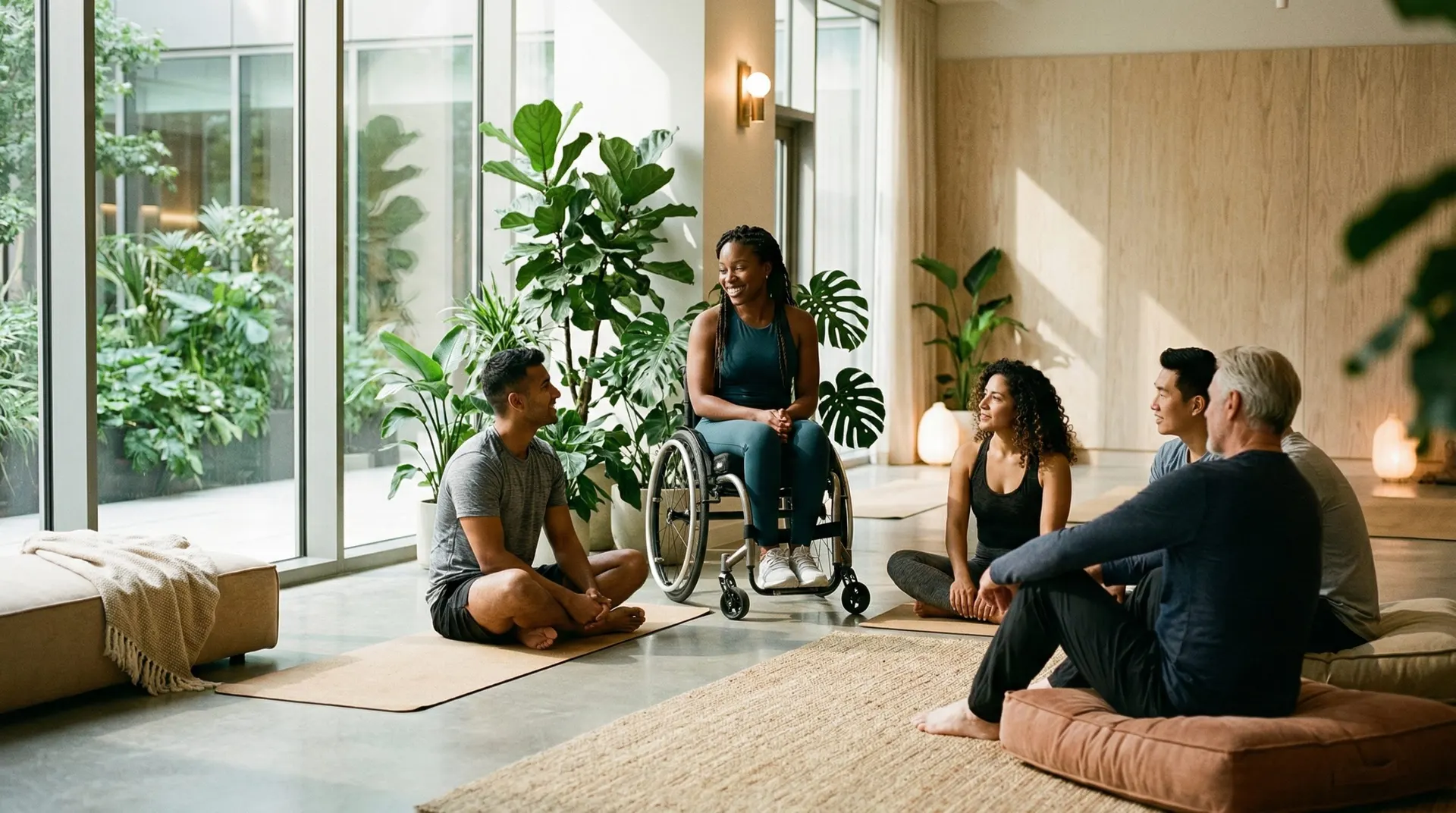
The modern Australian workplace is a vibrant tapestry of cultures, abilities, ages, and identities. To be effective, corporate wellness initiatives must reflect this diversity. A one-size-fits-all approach no longer suffices; today, the focus must be on inclusive wellness. This means creating programs that are accessible, relevant, and welcoming to every single employee, regardless of their background or circumstances. Designing wellness strategies with intention and empathy not only boosts participation but also fosters a genuine culture of care and belonging, ultimately driving better business outcomes. This article explores how to design and implement truly inclusive wellness programs that support the holistic wellbeing of your entire team.
Why Inclusive Wellness Matters
Inclusive wellness is more than just a buzzword; it’s a strategic imperative. When employees feel that wellness programs are designed with their specific needs in mind, they are far more likely to engage. This increased participation leads to improved health outcomes, reduced absenteeism, and higher productivity. More importantly, an inclusive approach sends a powerful message that every employee is valued. It strengthens psychological safety, enhances team morale, and builds a resilient organisational culture where people feel they belong.
Conversely, non-inclusive programs can inadvertently create division and exclusion. If a significant portion of your workforce cannot participate due to physical, cultural, or financial barriers, the initiative can backfire, leading to disengagement and resentment. By prioritising inclusivity, you ensure your wellness investment generates a positive return for both your people and your business, creating a workplace where everyone has the opportunity to thrive.
Common Barriers to Wellness Participation
Understanding why employees don’t engage with wellness programs is the first step toward building something better. Several common barriers can prevent participation, and they often intersect. These can include a lack of physical accessibility, where venues or activities don’t accommodate employees with disabilities. Cultural irrelevance is another major hurdle; programs that don’t respect or reflect the diverse cultural backgrounds of the team will struggle to gain traction.
Other significant barriers include scheduling conflicts, particularly for shift workers or those with caregiving responsibilities, and financial constraints if programs require employee contributions. A simple lack of awareness, often due to poor or inaccessible communication, can also limit uptake. Finally, psychological safety plays a crucial role. Employees may not feel comfortable participating in activities, especially those focused on mental health, if they fear judgment or lack of confidentiality. Addressing these barriers is fundamental to creating inclusive corporate wellness programs that work for everyone.
Designing for Physical Accessibility
Physical accessibility is a cornerstone of inclusive wellness. This means ensuring that employees with physical disabilities, chronic health conditions, or mobility issues can participate fully and safely. The design process should begin with auditing all potential wellness venues and activities for accessibility. This includes considering wheelchair access, appropriate seating, and the physical demands of any proposed activities.
Virtual options are a powerful tool for enhancing accessibility. Offering live-streamed fitness classes, online meditation sessions, and digital workshops allows employees to participate from a location that is comfortable for them. When offering physical activities, provide modifications to suit different fitness levels and abilities. For all video content, ensure closed captions are available. Proactively consulting with employees with disabilities during the planning phase is the best way to ensure your programs meet their needs, demonstrating a genuine commitment to creating accessible wellness programs.
Cultural Sensitivity in Wellness Programs
In a multicultural workforce like Australia’s, cultural sensitivity is non-negotiable. Wellness programs must acknowledge and respect the diverse traditions, values, and beliefs of your employees. This can involve offering a wide variety of activities that appeal to different cultural preferences, moving beyond a Western-centric view of health.
For example, when focusing on nutrition, consider different dietary requirements and cultural cuisines. When planning group activities, be mindful of religious holidays and observances. The language and imagery used in promotional materials should reflect the diversity of your team. Embracing diversity in wellness for the workplace is not just about avoiding offence; it’s about enriching the program for everyone. By celebrating different perspectives on health and wellbeing, you create a more engaging and effective wellness strategy that resonates across your entire organisation.
Gender and Wellness: Inclusive Approaches
An inclusive approach to wellness must also consider gender diversity, moving beyond outdated stereotypes. Historically, corporate wellness has sometimes focused on activities stereotypically associated with one gender. A truly inclusive program offers a balanced range of options that appeal to all employees, regardless of their gender identity.
This includes supporting the unique health needs of different genders without making assumptions. For instance, offering resources for parental leave, menopause support, and men’s mental health acknowledges different life stages and experiences. It is also vital to create a safe and welcoming environment for transgender and non-binary employees. This can be achieved through gender-neutral language in all communications and ensuring facilities are inclusive. By taking a nuanced and respectful approach, you can create a wellness program where everyone feels seen, respected, and supported.
Neurodiversity and Wellness
Supporting neurodivergent employees, such as those with autism, ADHD, or dyslexia, is a critical aspect of modern, inclusive wellness. A workplace that is overwhelming from a sensory perspective can be a significant barrier to wellbeing. Wellness activities should be designed to be neuro-inclusive, offering calm and restorative options alongside more high-energy activities.
For example, providing quiet rooms for meditation or mindfulness practice can be highly beneficial. When conducting workshops, use clear, concise communication and provide materials in advance. Offer flexibility in how employees participate; not everyone is comfortable in large group settings. By considering the diverse sensory and cognitive needs of your team, you can create a more supportive environment. Mirosuna’s corporate wellness programs are designed with these principles in mind, ensuring that every employee can find a path to wellbeing that works for them.
Language and Communication Accessibility
How you communicate your wellness program is just as important as the program itself. If employees cannot understand or access the information, they cannot participate. Use clear, simple language in all communications, avoiding corporate jargon and complex terminology. This ensures the message is accessible to everyone, including those for whom English is a second language.
Consider providing key materials in multiple languages if you have a linguistically diverse workforce. Furthermore, use a variety of formats to convey information, such as emails, posters, videos, and team briefings, to cater to different communication preferences. Visual aids can be particularly effective. Ensuring your communication strategy is as inclusive as your program offerings is essential for maximizing awareness, engagement, and impact.
Evaluating Inclusivity: Questions to Ask
Creating an inclusive wellness program is an ongoing process of learning and refinement. To ensure your program remains effective and equitable, it’s important to regularly evaluate its inclusivity. This involves asking critical questions and being open to feedback. Consider forming a diverse wellness committee to help guide this process.
Here are some key questions to ask:
- Participation Data: Who is participating in our programs, and, just as importantly, who is not? Are there patterns among non-participants?
- Employee Feedback: Have we directly asked our employees what they want and need from a wellness program? Are we using surveys, focus groups, or one-on-one conversations to gather input?
- Accessibility Audit: Are our venues, activities, and communications truly accessible to everyone, including employees with disabilities?
- Diversity in Offerings: Do our wellness activities reflect the diverse interests, cultures, and needs of our entire workforce?
- Leadership Buy-in: Is our leadership team actively championing and participating in our inclusive wellness initiatives?
Mirosuna’s Commitment to Inclusive Wellness
At Mirosuna, we believe that wellbeing is for everyone. We are committed to designing and delivering inclusive corporate wellness programs that are grounded in empathy and respect for individual differences. We understand that true wellness extends beyond physical health to encompass mental, emotional, and social wellbeing. Our approach is never one-size-fits-all; instead, we partner with organisations to create tailored solutions that meet the unique needs of their diverse teams.
From accessible sound meditation sessions that calm the nervous system to workshops that build psychological safety, Mirosuna’s workplace wellness solutions are designed to be welcoming to all. We believe that by creating an inclusive culture of wellbeing, organisations can unlock the full potential of their people.
Ready to transform your workplace with evidence-based wellness programs? Contact Mirosuna today to discuss how we can support your team’s wellbeing.
Building a strong diversity wellness workplace starts with deliberate, accessible programming.