

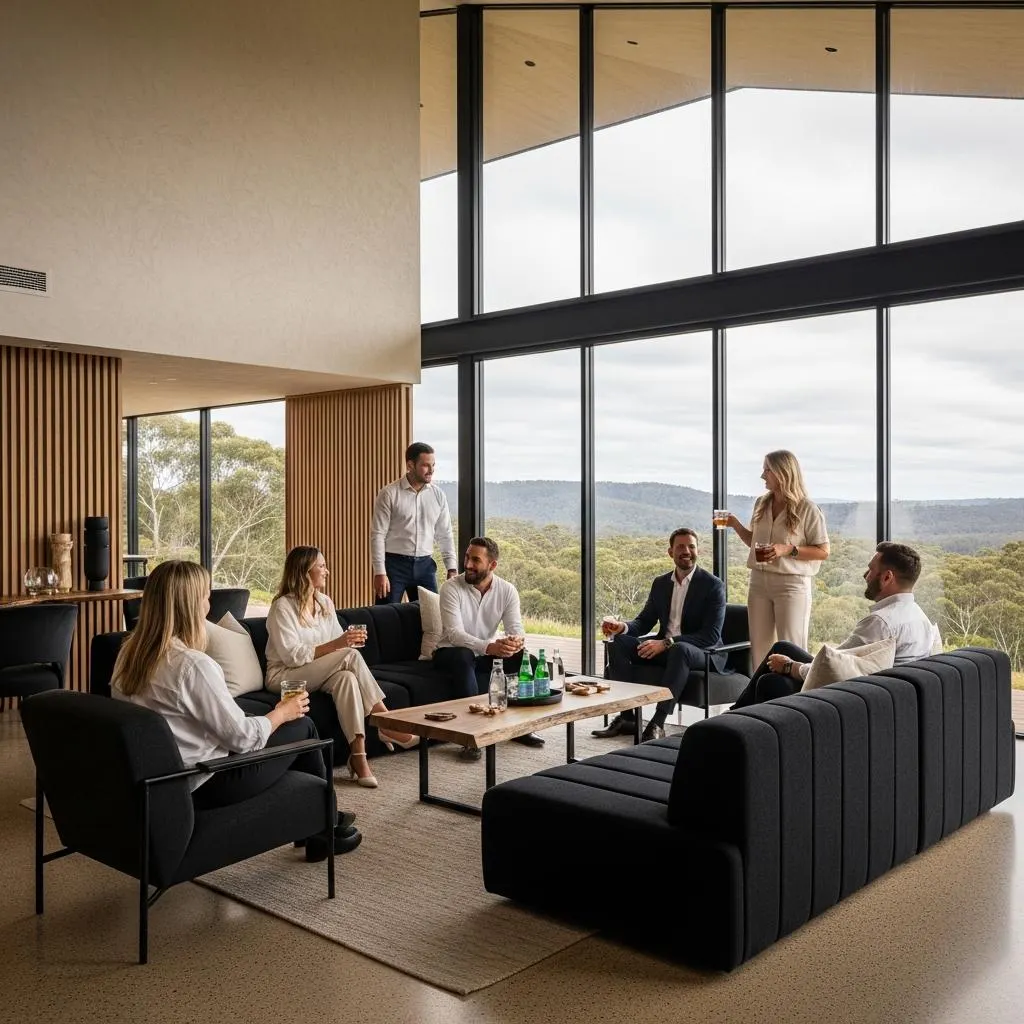
In today’s competitive business landscape, high-performing teams are the engine of innovation and success. But what fuels these teams? Beyond skills and resources, the secret ingredient is often psychological safety. A psychologically safe workplace is one where employees feel secure enough to take interpersonal risks: to speak up, share ideas, ask questions, and even admit mistakes without fear of punishment or humiliation. For Australian organisations, fostering psychological safety is not just a ‘nice-to-have’; it’s a critical component of a thriving, resilient, and productive work environment. When people feel safe, they bring their whole selves to work, unlocking creativity and collaboration that drives business forward.
What Is Psychological Safety?
Coined by Harvard Business School professor Amy Edmondson, psychological safety is a shared belief held by members of a team that the team is safe for interpersonal risk-taking. It describes a climate of respect and trust where individuals are comfortable being vulnerable in front of one another. This doesn’t mean a workplace free from conflict or accountability. Instead, it means that conflict is handled constructively, and accountability is focused on learning and growth, not blame. A psychologically safe workplace encourages open dialogue, embraces diverse perspectives, and understands that failure is often a stepping stone to innovation. It’s an environment where employees feel valued and heard, creating a powerful sense of inclusion and belonging.
Why Psychological Safety Matters for Performance
The link between psychological safety at work and team performance is well-documented. When employees feel safe, they are more likely to engage in behaviours that lead to better outcomes. For instance, they are more willing to voice concerns about a project, preventing potential setbacks. They are more likely to share nascent ideas, which can lead to breakthrough innovations. Google’s extensive internal research project, Project Aristotle, identified psychological safety as the single most important dynamic that sets successful teams apart. Teams with high psychological safety were more effective, had lower turnover rates, and were better at harnessing the diverse talents of their members. In essence, psychological safety creates a high-trust environment where collaboration flourishes, and teams can perform at their peak.
Signs Your Workplace Lacks Psychological Safety

Recognising a lack of psychological safety is the first step toward building a better workplace. The signs can be subtle, but their impact is significant. In a low-safety environment, you might notice that team members are hesitant to ask for help, fearing they will be seen as incompetent. Meetings are often quiet, with few people offering ideas or challenging the status quo. Employees may be reluctant to admit errors, leading to a culture of blame where mistakes are hidden rather than addressed. Other red flags include high levels of employee turnover, low engagement, and a general sense of fear or anxiety. People may talk about issues in private conversations but remain silent in public forums. If your workplace exhibits these signs, it’s a clear indication that fear is undermining performance and that a concerted effort is needed to build a psychologically safe workplace.
Building Trust: The Foundation of Safety
Trust is the bedrock of psychological safety. Without it, employees will not feel secure enough to be vulnerable. Building trust requires intentional and consistent effort from leaders at all levels. It starts with leading by example. When leaders are open, honest, and willing to admit their own fallibility, they create a powerful precedent. Simple actions like actively listening to team members, following through on commitments, and showing genuine care for employees’ well-being can go a long way. Trust is also built through transparency. Sharing information about the company’s goals, challenges, and decisions helps employees feel like valued partners. Creating opportunities for connection, such as through team-building activities or one of Mirosuna’s corporate wellness programs, can also strengthen interpersonal relationships and foster a sense of mutual respect and trust.
Encouraging Voice: Making It Safe to Speak Up
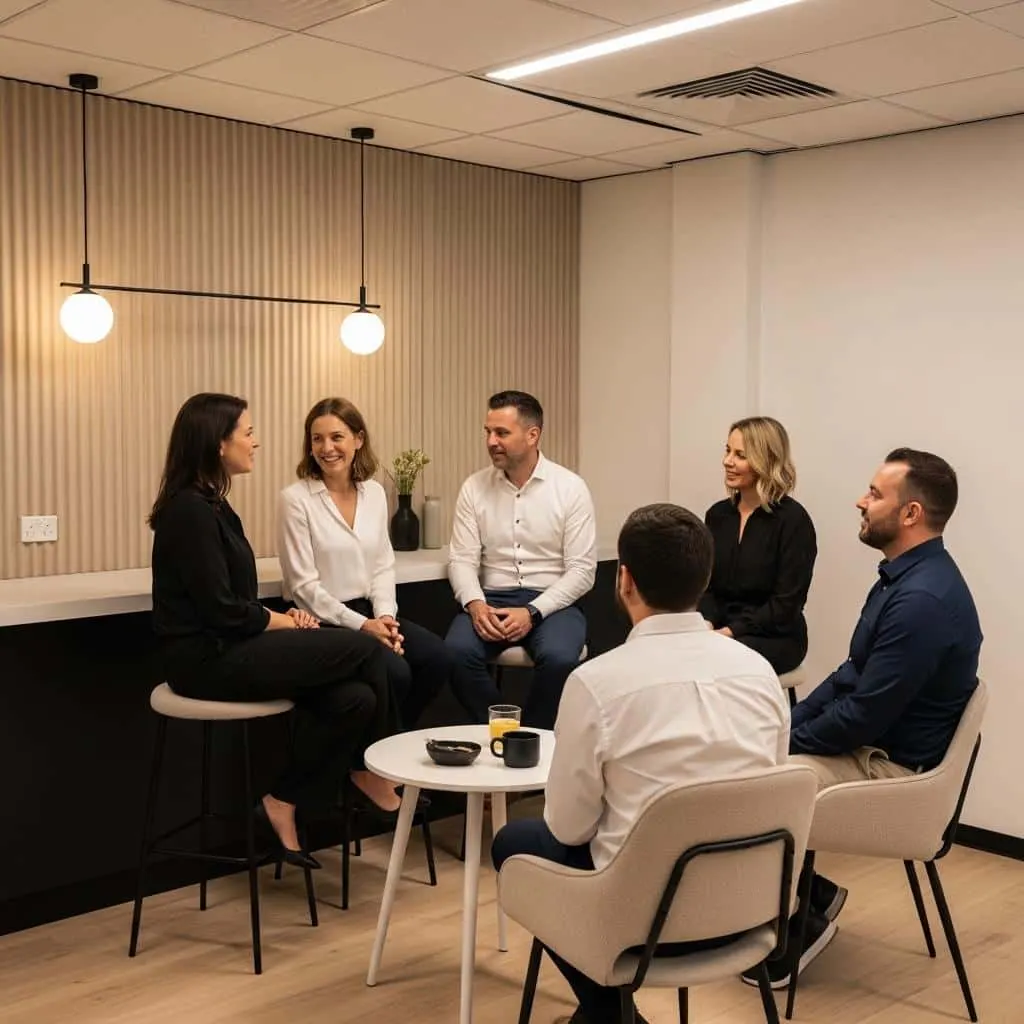
In a psychologically safe environment, every voice matters. However, encouraging employees to speak up requires more than just an open-door policy. It requires creating structured opportunities for input and demonstrating that their contributions are valued. Leaders can actively solicit feedback in meetings, asking open-ended questions and giving everyone a chance to contribute. It’s also crucial to respond to input constructively, even when you disagree. Thanking employees for their courage to speak up and acknowledging their perspective reinforces that their voice is welcome. Another powerful technique is to establish clear norms for respectful disagreement, ensuring that debates are focused on ideas, not individuals. When employees see that their input is taken seriously and that they won’t be penalised for dissent, they are more likely to share their unique insights, leading to better decision-making and a more inclusive culture.
Responding to Mistakes: Learning vs Blame
How an organisation responds to mistakes is a powerful indicator of its psychological safety. A blame culture, where errors are met with punishment and finger-pointing, quickly erodes trust and encourages employees to hide problems. In contrast, a learning culture frames mistakes as opportunities for growth and improvement. When a mistake happens, the focus should be on understanding the root cause, not on assigning blame. Leaders can model this by openly discussing their own errors and what they learned from them. This normalises imperfection and encourages a more experimental and innovative mindset. By establishing a clear and fair process for analysing failures, organisations can create a system where everyone feels safe to take calculated risks, knowing that the goal is collective learning, not individual punishment. This is a key aspect of how to create psychological safety.
The Role of Team Experiences in Building Safety
Psychological safety is built and reinforced through shared experiences. Purposefully designed team experiences can accelerate the development of trust, empathy, and connection among colleagues. Activities that encourage vulnerability and authentic communication in a supportive setting can break down barriers and foster a sense of belonging. For example, mindfulness and meditation sessions can help teams develop greater self-awareness and emotional regulation, which are foundational to constructive communication. Mirosuna’s workplace wellness solutions are designed to create these shared moments of connection, helping teams build the relational capacity needed for a psychologically safe environment. By investing in Mirosuna’s corporate wellness programs, organisations can provide their teams with the tools and experiences to cultivate a culture of trust and mutual support.
Measuring Psychological Safety
To improve psychological safety, you first need to measure it. While it may seem like an intangible concept, there are practical ways to assess the level of safety within a team or organisation. The most common method is through confidential surveys, using a set of questions developed by Amy Edmondson. These questions ask team members to rate their agreement with statements like: “If you make a mistake on this team, it is not held against you,” and “It is safe to take a risk on this team.” The aggregated, anonymous results can provide a clear snapshot of the current state of psychological safety. Regular pulse surveys can track progress over time and highlight areas for improvement. Additionally, qualitative data from focus groups or one-on-one interviews can offer deeper insights into the specific dynamics that are helping or hindering safety. By measuring psychological safety, leaders can demonstrate their commitment to improvement and make data-informed decisions to create a truly safe and high-performing workplace.
Ready to transform your workplace with evidence-based wellness programs? Contact Mirosuna today to discuss how we can support your team’s wellbeing.