


For decades, assessing the success of a wellbeing initiative was an exercise in ambiguity. HR Directors and People & Culture leaders were forced to rely on superficial metrics, like the number of app downloads or the utilization rate of an Employee Assistance Program (EAP), to justify their budgets.
But in Melbourne’s hyper-competitive professional landscape, a “login” does not equal a biological shift in stress. When you are presenting to a CFO, you cannot pitch “good vibes”; you must pitch a measurable impact on the balance sheet.
Today, evaluating the ROI of corporate wellness requires a fundamental shift in perspective. It demands that organizations stop looking at wellness as a peripheral benefit, and start treating it as a core driver of cognitive performance and talent retention.
The Flaw in Traditional EAP Metrics
The standard EAP model measures success through utilization, how many employees call the crisis line. However, the industry average utilization rate for an EAP hovers between just 3% and 5%. If you are only measuring the people who have already reached a breaking point, you are fundamentally miscalculating the health of your organization.
True measurement requires looking at the 95% of your team who are currently operating under high stress but haven’t yet burned out. This is where the hidden costs of workplace productivity in Melbourne reside: the silent drain of presenteeism.
The Quantitative Framework: Hard Numbers on Human Capital
To build a compelling business case, you must translate psychological states into financial realities. When implementing a strategic wellness initiative, track these three primary quantitative pillars:
-
The Cost of Attrition: When an employee leaves due to burnout, replacing them costs between 50% to 150% of their annual salary in recruitment, training, and lost momentum. If an immersive wellness strategy prevents just one mid-level executive from leaving, the program has paid for itself entirely.
-
Unplanned Absenteeism: Look at your payroll data. A sudden spike in sick days taken around major project deadlines is a direct indicator of unregulated nervous systems.
-
The Healthcare Premium: Teams under chronic stress inevitably incur higher rates of stress-related illness, leading to increased claims and higher organizational healthcare premiums over time.
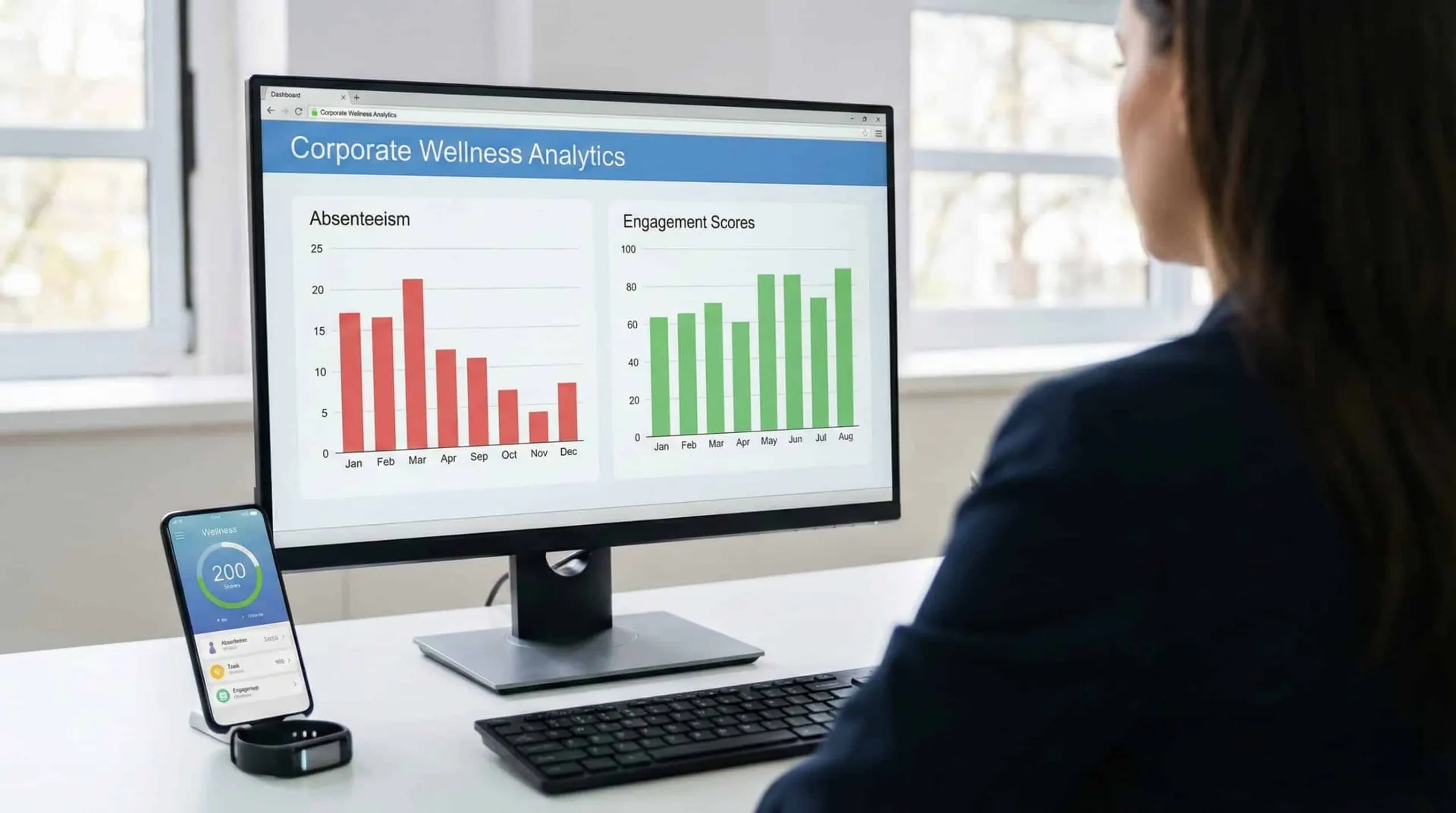
The Quantitative Framework: Hard Numbers on Human Capital
While the numbers secure the budget, the qualitative data reveals the cultural shift. The most effective Corporate Wellness Programs Melbourne are measured by the transformation of the office atmosphere.
-
Employee Net Promoter Score (eNPS): Do your employees feel psychologically safe? Are they proud to work for a company that prioritizes their nervous system? Regular, anonymous pulse surveys can track this shift before and after a wellness intervention.
-
Cognitive Clarity: Presenteeism occurs when the brain is stuck in high-frequency Beta waves (survival mode). Following sessions of Corporate Sound Meditation, leaders frequently report a return to Alpha and Theta states, resulting in faster decision-making, fewer costly errors, and restored creative spark.
By combining the hard financial data of retention with the qualitative feedback of team morale, you create an undeniable case for the ROI of corporate wellness. You stop guessing if the initiative worked, and start forecasting how much money resilience is saving the firm.