

.mirosuna-rich-table-wrapper {
background: #fff;
border-radius: 8px;
box-shadow: 0 4px 20px rgba(0,0,0,0.05);
overflow: hidden;
margin: 40px 0;
border: 1px solid #DDCDBB;
}
.mirosuna-rich-table {
width: 100%;
border-collapse: collapse;
}
.mirosuna-rich-table th {
background-color: #DDCDBB;
color: #251E16;
text-align: left;
padding: 18px 24px;
font-family: ‘Pluto Reg’, sans-serif;
font-weight: 400;
text-transform: uppercase;
font-size: 16px;
}
.mirosuna-rich-table td {
padding: 18px 24px;
border-bottom: 1px solid #F2E7DB;
font-family: ‘Montserrat’, sans-serif;
font-size: 15px;
color: #4A4A4A;
vertical-align: top;
}
.mirosuna-rich-table tr:last-child td { border-bottom: none; }
.mirosuna-rich-table tr td:first-child { font-weight: 600; color: #251E16; width: 30%; background: #FDFCFA; }
.mirosuna-diagnostic-box {
background: #F9F3ED;
border-left: 6px solid #DDCDBB;
padding: 30px;
margin: 40px 0;
border-radius: 4px;
}
.mirosuna-diagnostic-title {
font-family: ‘Pluto Reg’, sans-serif;
font-size: 22px;
color: #251E16;
margin-top: 0;
margin-bottom: 15px;
text-transform: uppercase;
}
.mirosuna-diagnostic-list {
list-style: none;
padding: 0;
margin: 0;
}
.mirosuna-diagnostic-list li {
margin-bottom: 15px;
padding-left: 30px;
position: relative;
font-family: ‘Montserrat’, sans-serif;
font-size: 16px;
color: #4A4A4A;
}
.mirosuna-diagnostic-list li::before {
content: “☐”;
position: absolute;
left: 0;
color: #DDCDBB;
font-weight: bold;
font-size: 20px;
top: -2px;
}
.mirosuna-diagnostic-footer {
margin-top: 20px;
font-size: 15px;
font-style: italic;
color: #6A6F5D;
}
.mirosuna-roadmap {
margin: 40px 0;
padding-left: 20px;
border-left: 2px solid #DDCDBB;
}
.mirosuna-step {
position: relative;
padding-left: 30px;
margin-bottom: 30px;
}
.mirosuna-step::before {
content: “”;
position: absolute;
left: -27px;
top: 4px;
width: 12px;
height: 12px;
background: #DDCDBB;
border-radius: 50%;
border: 3px solid #fff;
box-shadow: 0 0 0 2px #DDCDBB;
}
.mirosuna-step h4 {
font-family: ‘Pluto Reg’, sans-serif;
font-size: 18px;
color: #251E16;
margin: 0 0 8px 0;
text-transform: uppercase;
}
.mirosuna-step p {
font-family: ‘Montserrat’, sans-serif;
font-size: 15px;
color: #4A4A4A;
margin: 0;
line-height: 1.6;
}
In the fast-paced world of modern business, fostering a cohesive and resilient team is more critical than ever. While team lunches and after-work drinks have their place, they often only scratch the surface of genuine connection. For organisations in Australia looking to make a profound investment in their people, the corporate wellness retreat has emerged as a powerful tool for strengthening team bonds, improving communication, and boosting overall performance. By removing employees from their daily environment and immersing them in a space dedicated to wellbeing, retreats create a unique opportunity for deep, lasting connections to form.
This article explores how corporate wellness retreats, from half-day immersions to multi-day getaways, can transform team dynamics and create a more collaborative and supportive workplace culture. We will delve into the science behind shared experiences, outline the key elements of an effective retreat, and provide actionable guidance for HR managers and business leaders considering this transformative wellness solution.
Why Retreats Create Deeper Connection Than Day Events
Standard team-building activities, such as a single workshop or a team dinner, are often short-lived. They provide a temporary boost in morale but rarely lead to fundamental shifts in how team members relate to one another. A corporate wellness retreat, by contrast, offers an extended, immersive experience that facilitates deeper and more meaningful interactions.
By stepping away from the office (and the ingrained hierarchies and pressures that come with it), employees are able to engage with each other on a more personal and authentic level. The extended duration of a retreat allows for a gradual breaking down of barriers. The initial awkwardness gives way to shared vulnerability, open conversation, and a sense of collective experience. Unlike a one-off event, a retreat creates a continuous thread of shared moments, from participating in a mindfulness workshop to sharing a meal, that together weave a strong fabric of connection. This sustained period of interaction is crucial for building the psychological safety and trust that are the hallmarks of high-performing teams.
The Science of Shared Retreat Experiences
The bonding power of a corporate wellness retreat is not just anecdotal; it is grounded in neuroscience. When individuals share a novel and positive experience, their brains release oxytocin, often referred to as the “bonding hormone.” Oxytocin enhances feelings of trust, empathy, and social connection. A retreat, filled with new activities and a change of scenery, provides the perfect environment for this to occur.
Furthermore, engaging in shared challenges or learning new skills together, such as meditation or a sound bath, creates a powerful sense of “we-ness.” This is explained by the concept of identity fusion, where personal and group identities begin to merge. As team members navigate the retreat experience together, they develop a shared narrative and a collective identity that transcends their individual roles at work. This creates a powerful ripple effect that continues long after the retreat has ended, leading to improved collaboration, better communication, and a more supportive team environment back in the workplace.
What Makes a Wellness Retreat Different
Not all corporate retreats are created equal. While any off-site can provide a break from the norm, a wellness retreat corporate event is specifically designed to enhance the physical, mental, and emotional wellbeing of participants. Unlike traditional corporate retreats that might focus on strategic planning sessions or high-adrenaline activities, a wellness retreat prioritises rest, reflection, and rejuvenation.
The agenda is built around evidence-based wellness practices such as mindfulness, meditation, yoga, and sound therapy. These activities are intentionally chosen to reduce stress, improve focus, and cultivate emotional intelligence. The environment itself is also a key differentiator. A wellness retreat is typically held in a serene, natural setting that promotes a sense of calm and tranquility, a world away from a sterile conference room. The focus is on holistic wellbeing, creating a space where employees can recharge their batteries and develop healthy habits that they can take back to their personal and professional lives. This focus on genuine care sends a powerful message to employees that their organisation values them as whole people, not just as workers.
Elements of an Effective Corporate Wellness Retreat
An impactful corporate wellness retreat is thoughtfully curated to balance structured activities with ample time for personal reflection and informal connection. The most effective retreats incorporate a variety of elements designed to cater to different needs and preferences.
Key components include:
- Mindfulness and Meditation Sessions: Guided practices to help participants quiet their minds, reduce stress, and improve their ability to be present.
- Movement and Bodywork: Gentle yoga, stretching, or other forms of mindful movement to release physical tension and connect with the body.
- Skill-Building Workshops: Sessions focused on practical skills such as stress management, resilient leadership, or mindful communication.
- Connection and Sharing Circles: Facilitated opportunities for team members to share their experiences and insights in a safe and supportive setting.
- Nourishing Food: Healthy and delicious meals that fuel the body and mind, often with a focus on local and seasonal produce.
- Time in Nature: Opportunities to connect with the natural environment, whether through a guided walk or simply quiet time outdoors.
- Unstructured Downtime: Essential for allowing participants to rest, process their experiences, and connect with each other organically.
Is Your Team Ready for a Retreat? (Diagnostic Checklist)
- Are team members showing signs of chronic fatigue, cynicism, or emotional exhaustion?
- Is your leadership team struggling to break down departmental silos?
- Has the transition to hybrid/remote work severely impacted the organic “water-cooler” connections?
- Are traditional Friday drinks failing to resonate with your diverse, health-conscious workforce?
- Is the company seeking a tangible way to prove it prioritizes psychological safety and employee wellbeing?
By combining these elements, a retreat can provide a holistic and transformative experience that addresses the full spectrum of employee wellbeing.
Half-Day, Full-Day, and Multi-Day Options
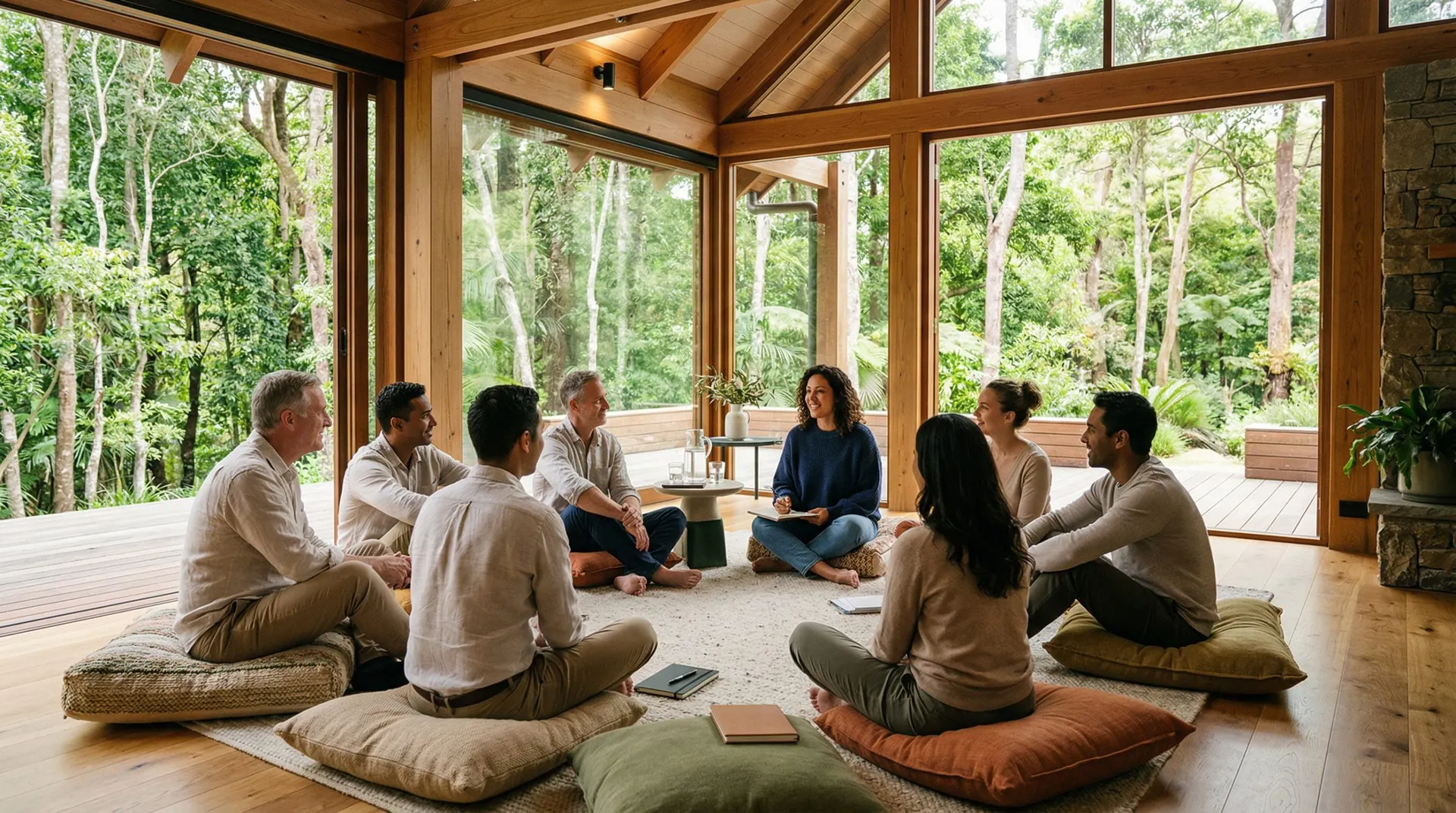
One of the great advantages of a corporate wellness retreat is its flexibility. Organisations can choose a format that best suits their budget, schedule, and objectives. Mirosuna offers a range of corporate wellness programs to meet the diverse needs of businesses in Melbourne and beyond.
- Half-Day Retreats: A perfect introduction to the retreat concept, a half-day immersion can be a powerful way to reset and recharge. These condensed experiences are ideal for busy teams and can easily be integrated into a regular work week.
- Full-Day Retreats: A full-day retreat allows for a deeper dive into wellness practices and provides more time for team connection. This format is excellent for tackling specific team challenges or for celebrating a major milestone.
- Multi-Day Retreats: For the most profound and lasting impact, a multi-day retreat is unparalleled. This extended format allows for a complete disconnection from the daily grind and a deep immersion in the retreat experience. The bonds formed over several days of shared experiences are exceptionally strong and can fundamentally reshape team culture.
No matter the duration, a well-planned team retreat can deliver significant returns on investment in the form of a happier, healthier, and more connected workforce.
Retreat Outcomes: What Teams Report
The benefits of a corporate wellness retreat extend far beyond a few days of relaxation. Teams that participate in these immersive experiences consistently report a range of positive outcomes that have a direct impact on business performance.
Commonly reported outcomes include:
- Improved Communication: With barriers broken down, team members communicate more openly and honestly.
- Enhanced Collaboration: A stronger sense of connection leads to more seamless and effective teamwork.
- Increased Trust: Shared vulnerability and authentic connection build a foundation of psychological safety and trust.
- Reduced Stress and Burnout: Employees return to work feeling refreshed, with new tools to manage stress.
- Higher Morale and Engagement: Feeling valued and cared for leads to a significant boost in team morale and engagement.
- Stronger Leadership Skills: Leaders who participate in retreats often develop a more empathetic and supportive leadership style.
These outcomes translate into tangible business benefits, including lower employee turnover, higher productivity, and a more innovative and resilient organisational culture.
Planning a Corporate Wellness Retreat
1. Discovery & Needs Analysis
Before booking a venue, we assess the specific psychological and physical needs of your team. Are they battling burnout, undergoing a merger, or just needing deep rest?
2. Curating the Modalities
We blend evidence-based practices, like Alchemy Crystal Bowl sound baths, breathwork, and mindful movement, into a cohesive journey rather than a disjointed schedule.
3. The Immersive Experience
The retreat itself. Employees step out of their daily roles and into a safe container designed for vulnerability, connection, and nervous system regulation.
4. Integration & Follow-Up
A successful retreat doesn’t end when you leave the venue. We implement post-retreat check-ins and practical tools to ensure the wellness culture sustains in the office.
Planning a successful corporate wellness retreat requires careful consideration and a clear understanding of your team’s needs and goals. For those exploring corporate retreat ideas Melbourne, the first step is to define what you want to achieve. Are you looking to improve communication, reduce stress, or simply reward your team for their hard work?
Once you have a clear objective, you can begin to consider the logistics. Key planning considerations include:
- Budget: Determine a realistic budget that covers the venue, facilitation, food, and any other associated costs.
- Duration: Choose a duration that aligns with your objectives and the availability of your team.
- Location: Select a venue that is easily accessible and provides a peaceful and inspiring environment.
- Facilitator: Partner with an experienced and reputable provider, like Mirosuna, that specialises in corporate wellness.
Engaging with a professional provider can streamline the planning process and ensure that your retreat is expertly designed and executed for maximum impact. Mirosuna’s workplace wellness solutions are tailored to meet the unique needs of each organisation.
Mirosuna Retreat Experiences
At Mirosuna, we specialise in creating bespoke corporate wellness retreat experiences that deliver lasting results. Our retreats are grounded in the practices of mindfulness, meditation, and sound therapy, and are designed to foster deep connection and profound wellbeing. We work closely with our clients to understand their unique challenges and objectives, and we tailor every aspect of the retreat to ensure a truly transformative experience.
Our expert facilitators guide teams through a carefully curated journey of self-discovery and collective growth. Whether you are looking for a half-day reset in our beautiful South Melbourne studio or a multi-day getaway in a stunning natural location, we can create a retreat that will leave your team feeling inspired, connected, and empowered.
Ready to transform your workplace with evidence-based wellness programs? Contact Mirosuna today to discuss how our corporate wellness programs can support your team’s wellbeing.