

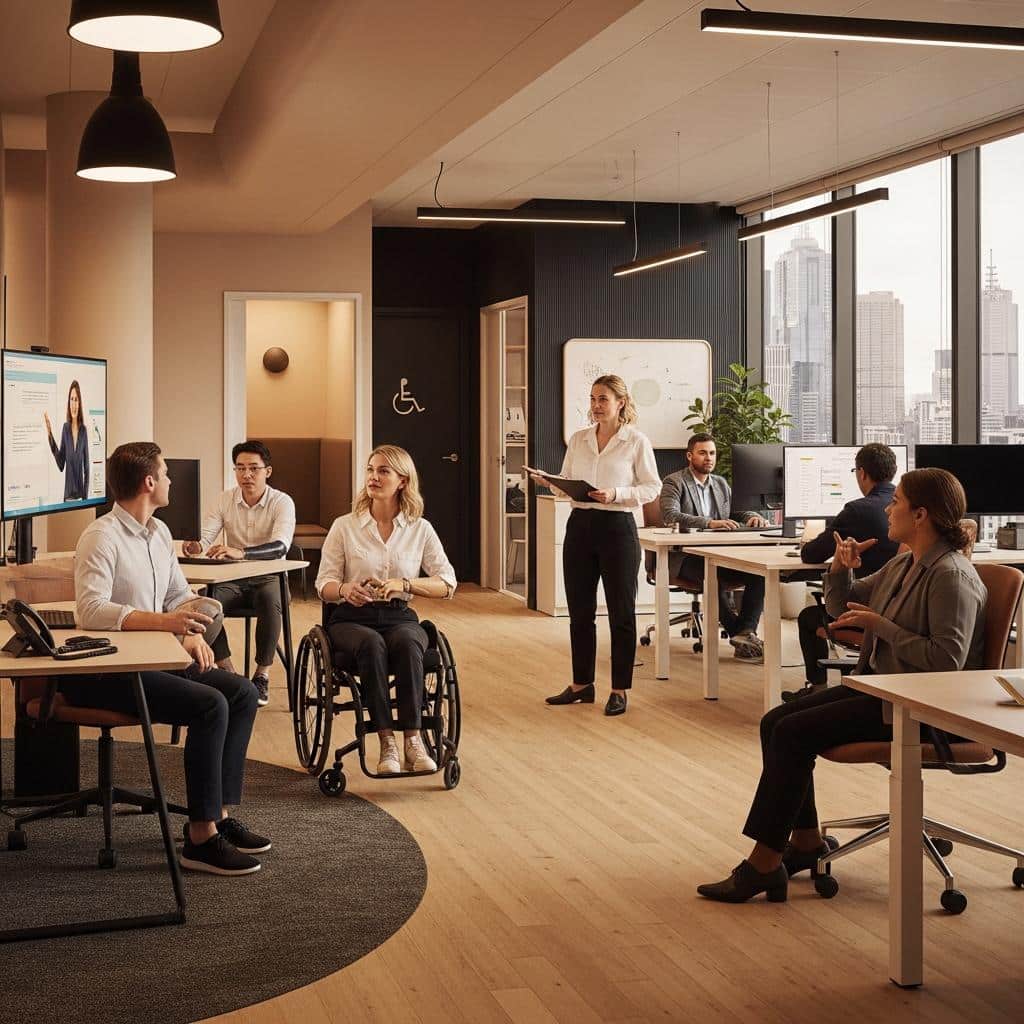
In Australia, creating a supportive and inclusive NDIS workplace is becoming a critical priority for forward-thinking companies. As more businesses recognise the value of a diverse workforce, understanding the intersection of the National Disability Insurance Scheme (NDIS) and employee wellbeing is essential. For human resources managers and business leaders, fostering an environment where every employee can thrive is not just a matter of compliance but a strategic advantage. This guide explores what employers need to know about supporting NDIS participants in the workplace and how inclusive wellness programs can play a transformative role.
Understanding NDIS in the Workplace Context
The National Disability Insurance Scheme (NDIS) is a national framework designed to support Australians with a permanent and significant disability. While often associated with daily living and therapeutic support, its principles extend into employment. An NDIS workplace is one that actively supports employees who are NDIS participants, ensuring they have the resources and accommodations needed to perform their roles effectively and participate fully in the workplace culture. This involves creating an environment that is not only physically accessible but also mentally and emotionally supportive, recognising that true inclusion goes beyond simple accommodations.
For employers, this means fostering a culture of understanding and open communication. It requires a commitment to learning about the unique needs of NDIS participants and working collaboratively to implement reasonable adjustments. This could range from flexible work arrangements and assistive technology to specialised training for managers and teams. By proactively engaging with the NDIS framework, businesses can unlock the immense potential of a diverse talent pool and build a reputation as an employer of choice.
Supporting NDIS Participants at Work
Effectively supporting NDIS participants requires a multi-faceted approach that is both proactive and responsive. It begins with creating a safe space for employees to disclose their status as an NDIS participant, should they choose to do so, without fear of judgment or discrimination. Confidentiality and respect are paramount.
Practical support strategies include:
- Reasonable Adjustments: This is a legal requirement, but leading employers go beyond the minimum. This can include ergonomic equipment, modified duties, or changes to the physical work environment. The key is to have an open dialogue with the employee to determine what will best support their needs.
- Flexible Work Practices: Offering flexibility in hours, location, or work structure can be a game-changer for many employees, particularly those managing health-related appointments or fluctuating energy levels.
- Manager Training: Equipping managers with the skills to lead diverse teams is crucial. Training should cover disability awareness, inclusive communication, and how to have supportive conversations about workplace needs.
- Fostering a Culture of Inclusion: This involves the entire team. Promoting awareness and celebrating diversity can help break down stigmas and build a more cohesive, empathetic workforce.
Inclusive Wellness Programs: Why They Matter
Generic, one-size-fits-all wellness programs often fail to meet the needs of a diverse workforce. Inclusive workplace wellness is about providing a range of options that are accessible and beneficial to everyone, regardless of their physical or cognitive abilities. When wellness initiatives are designed with inclusivity at their core, they send a powerful message that every employee’s wellbeing is valued.
For NDIS participants, who may face unique stressors, access to tailored wellness support can be particularly impactful. It can help manage stress, improve focus, and enhance overall job satisfaction and resilience. Furthermore, inclusive programs benefit the entire organisation by fostering a collective sense of belonging and demonstrating a genuine commitment to employee care. These initiatives can improve team morale, reduce absenteeism, and create a healthier, more productive work environment for all. By investing in programs like Mirosuna’s workplace wellness solutions, companies can ensure their wellness strategy is truly comprehensive.
Adapting Wellness Programs for Diverse Needs
Adapting wellness programs requires creativity, consultation, and a commitment to flexibility. The first step is to move away from a purely physical-focused approach. While fitness challenges can be popular, they may exclude employees with mobility issues or other physical limitations.
A truly inclusive program should incorporate a variety of dimensions of wellbeing, including mental, emotional, and social health. Consider offering:
- Mindfulness and Meditation: These practices are highly adaptable and can be done seated or even lying down, making them accessible to individuals with varying physical abilities.
- Stress Management Workshops: Provide practical tools and strategies that can be applied by anyone, focusing on cognitive and emotional regulation techniques.
- Flexible Participation: Offer both in-person and virtual options for wellness sessions to accommodate employees working from home or those who find group settings challenging.
- Employee Consultation: The most effective way to ensure a program is inclusive is to ask employees what they need. Use anonymous surveys or focus groups to gather feedback and ideas.
What NDIS Registration Means for Wellness Providers
When a wellness provider is an NDIS registered wellness provider, it signifies a higher level of scrutiny, quality, and expertise. The NDIS Quality and Safeguards Commission sets a stringent standard that providers must meet to achieve registration. This includes requirements around staff qualifications, safety protocols, and the provider’s capacity to deliver services that are safe, effective, and person-centred.
For employers, choosing an NDIS-registered provider for their wellness programs offers an additional layer of assurance. It demonstrates that the provider has been independently assessed and is committed to upholding the highest standards of care and professionalism. This is particularly important when delivering services to a diverse workforce that includes NDIS participants. It ensures that the wellness partner you choose has a deep understanding of disability, accessibility, and the principles of inclusive practice, making them a reliable and expert choice for your NDIS wellness initiatives.
Sound Meditation and Accessibility
Sound meditation, also known as a sound bath, is an excellent example of an inherently accessible wellness modality. Unlike many other practices, it requires no special physical ability, prior experience, or specific belief system. Participants simply relax in a comfortable position (seated or lying down) and listen as a practitioner plays a variety of resonant instruments like Himalayan singing bowls, gongs, and chimes.
The immersive, multi-sensory nature of a sound bath can be profoundly calming for the nervous system. It can help reduce anxiety, improve sleep, and promote a state of deep relaxation. Because the experience is passive and requires no physical exertion, it is an ideal wellness practice for a diverse range of employees, including those with physical disabilities, chronic pain, or neurodiversity. It is a truly inclusive practice that allows everyone to access a state of peace and restoration.
Funding and NDIS Plans
For employees with an NDIS plan, certain workplace wellness services may be fundable through their plan, provided they align with the individual’s goals. For example, if an employee’s NDIS plan includes goals related to social and community participation or improved daily living skills (which can include managing anxiety or stress), then services like mindfulness training or sound meditation could potentially be covered.
Specifically, these services might fall under NDIS support categories such as ‘Improved Daily Living’ or ‘Increased Social and Community Participation’. Employers can support their staff by providing information about NDIS-registered wellness providers and encouraging them to discuss these options with their NDIS planner or support coordinator. While the company’s corporate wellness program is for all staff, this knowledge empowers NDIS participants to leverage their plans for additional, personalised support, further enhancing the benefits of our corporate wellness programs.
Mirosuna: NDIS-Registered Wellness Provider
Mirosuna is proud to be an NDIS registered wellness provider, a credential that underscores our commitment to quality, safety, and inclusivity. Our specialisation in sound meditation and mindfulness allows us to offer unique, evidence-based wellness experiences that are accessible to all. We understand the complexities of the modern NDIS workplace and partner with organisations to design and deliver programs that make a genuine impact.
Our team is trained to create a supportive and welcoming environment for every participant. We work closely with HR managers and wellness committees to tailor our offerings, ensuring they align with your company’s specific goals and the diverse needs of your employees. By choosing Mirosuna, you are not just investing in a wellness program; you are partnering with an expert in inclusive wellbeing who can help you foster a thriving, supportive, and resilient workplace culture.
Ready to transform your workplace with evidence-based wellness programs? Contact Mirosuna today to discuss how we can support your team’s wellbeing.