

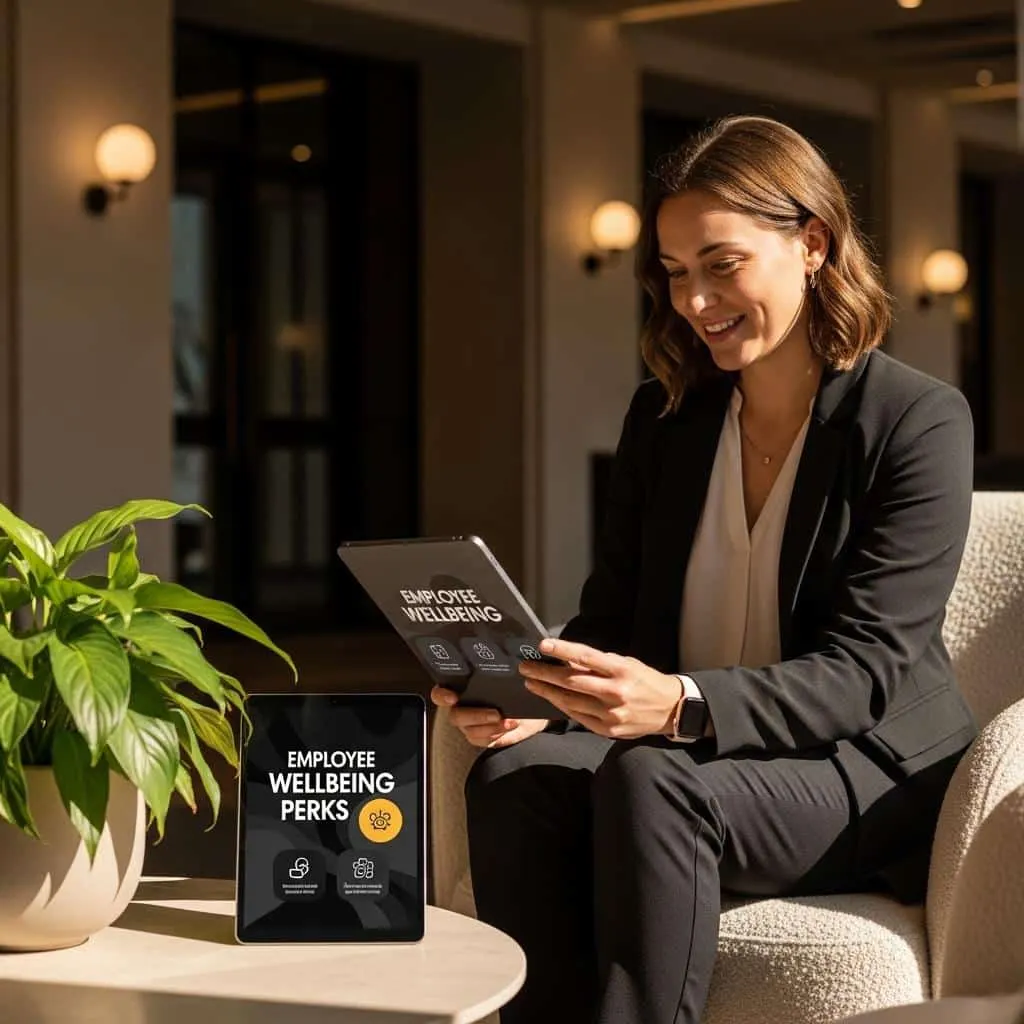
Top-tier talent no longer views wellness as a fringe corporate perk; they view it as a baseline expectation. If your company’s idea of employee support stops at a subsidized gym membership, you are already losing your best people to competitors who understand holistic care.
As companies navigate this new landscape, the challenge is to offer employee benefits in wellness that are not only attractive but also genuinely impactful. It’s about creating a culture of wellbeing that is embedded in the organisation’s DNA. This means listening to what employees really want and designing programs that meet their diverse needs. From mindfulness and meditation sessions to flexible work arrangements and mental health support, the most effective corporate perks are those that demonstrate a deep commitment to employee health and happiness. For organisations looking to lead the way, investing in meaningful wellness initiatives is no longer just an option: it’s a business imperative.
The Shift: Wellness as Expectation, Not Bonus
The modern workforce has sent a clear message: wellness is not a bonus, but a fundamental component of the employee value proposition. This paradigm shift has been driven by a growing awareness of the importance of mental health and work-life balance. Employees now expect their employers to play an active role in supporting their overall wellbeing. A recent study found that 82% of employees consider wellness programs a key factor when choosing an employer. This statistic highlights a significant change in employee priorities, where the focus has shifted from purely financial incentives to a more holistic view of compensation.
This expectation is not just about providing resources; it’s about fostering a supportive environment where employees feel valued and cared for. Companies that recognise this and proactively integrate wellness into their culture are better positioned to attract and retain top talent. The demand for robust wellness perks is a reflection of a broader societal trend towards prioritising health and wellbeing. As such, businesses that fail to adapt risk being left behind in the war for talent. The message is clear: to build a successful and sustainable business, you must first invest in the wellbeing of your people.
What Employees Actually Value in Wellness Programs
When it comes to corporate wellness, not all perks are created equal. While traditional offerings like gym memberships have their place, employees are increasingly looking for more personalised and holistic support. Research shows that the most valued wellness benefits are those that address mental and emotional health. A survey by the American Psychological Association revealed that 92% of employees believe it is important to work for a company that values their emotional and psychological wellbeing.
So, what do employees want in wellness? The answer lies in flexibility, choice, and a focus on mental health. Employees value programs that are accessible, convenient, and tailored to their individual needs. This could include access to mindfulness and meditation apps, confidential counselling services, and workshops on stress management and resilience. Furthermore, employees appreciate benefits that support a healthy work-life balance, such as flexible working hours and remote work options. By offering a diverse range of employee benefits wellness options, companies can demonstrate their commitment to supporting the whole person, not just the employee.
Generation Differences: What Each Age Group Wants
Understanding the diverse needs of a multi-generational workforce is key to designing an effective wellness program. Each generation has its own unique priorities and preferences when it comes to wellness. For example, Gen Z and Millennials, who now make up the majority of the workforce, place a high value on mental health support and work-life balance. They are more likely to seek out employers who offer benefits such as mindfulness training, therapy sessions, and flexible work schedules. Our corporate wellness programs are designed to meet these modern demands.
On the other hand, Gen X and Baby Boomers may be more focused on physical health and financial wellbeing. They may appreciate benefits such as comprehensive health insurance, retirement planning assistance, and ergonomic workstation assessments. However, it’s important to avoid making assumptions based on age. The best approach is to offer a flexible and customisable wellness program that allows employees to choose the benefits that are most relevant to them. By catering to the diverse needs of each generation, companies can create a more inclusive and supportive workplace for all.
The Wellness Benefits That Attract Top Talent
In a competitive talent market, a strong wellness program can be a powerful differentiator. Companies that are known for their commitment to employee wellbeing are more likely to attract and retain high-performing individuals. The wellness benefits that are most effective at attracting top talent are those that are authentic, meaningful, and integrated into the company culture. These are not just standalone perks, but part of a broader strategy to create a healthy and supportive work environment.
Some of the most attractive wellness perks include on-site or virtual mindfulness and meditation sessions, mental health days, and access to a network of wellness professionals. These benefits show that a company is invested in the long-term health and happiness of its employees. Furthermore, a comprehensive wellness program can enhance an employer’s brand and reputation, making it a more attractive place to work. By investing in Mirosuna’s workplace wellness solutions, you can signal to potential candidates that you are an employer of choice who truly cares about your people.
Beyond Gym Memberships: Innovative Wellness Perks
The corporate wellness landscape is constantly evolving, with new and innovative perks emerging all the time. While traditional benefits like gym memberships still have their place, forward-thinking companies are looking for more creative ways to support their employees’ wellbeing. These innovative corporate perks are designed to be more engaging, accessible, and impactful than their traditional counterparts.
Some examples of innovative wellness perks include virtual reality meditation experiences, personalised nutrition plans, and financial wellness coaching. Other companies are offering benefits such as paid time off for volunteering, subscriptions to wellness apps, and even pet-friendly office policies. The key is to think outside the box and offer benefits that are relevant to your employees’ lives and interests. By embracing innovation, you can create a wellness program that is not only effective but also exciting and engaging for your team.
Experiential vs Transactional Wellness Benefits
When designing a wellness program, it’s important to consider the difference between experiential and transactional benefits. Transactional benefits are tangible perks that have a clear monetary value, such as a gym membership or a health insurance plan. While these benefits are important, they can sometimes feel impersonal and may not be utilised by all employees.
Experiential benefits, on the other hand, are focused on creating positive experiences and fostering a sense of community. These could include team-building activities, wellness challenges, and workshops on topics such as mindfulness and stress management. Experiential benefits are often more memorable and impactful than transactional benefits, as they provide employees with the opportunity to learn new skills, connect with their colleagues, and feel a sense of shared purpose. A well-rounded wellness program should include a mix of both transactional and experiential benefits to cater to the diverse needs and preferences of your workforce.
Measuring Wellness Benefit Satisfaction
To ensure your wellness program is effective, it’s essential to regularly measure employee satisfaction and engagement. This will help you to identify what’s working, what’s not, and where you can make improvements. There are several ways to measure wellness benefit satisfaction, including employee surveys, focus groups, and data analytics.
When conducting surveys, be sure to ask specific questions about the different components of your wellness program. This will help you to understand which benefits are most valued and which are underutilised. You can also use data analytics to track engagement with different wellness initiatives, such as attendance at workshops or utilisation of wellness apps. By collecting and analysing this data, you can gain valuable insights into the effectiveness of your program and make data-driven decisions to improve it over time. Remember, a successful wellness program is one that is constantly evolving to meet the changing needs of your employees.
Designing a Wellness Program Employees Actually Use
Ultimately, the success of a wellness program is measured by its utilisation. A program that looks great on paper but is not used by employees is of little value. To design a wellness program that employees actually use, it’s important to involve them in the design process. Ask for their feedback, listen to their needs, and give them a sense of ownership over the program.
Another key to driving engagement is to make the program accessible and convenient. This means offering a mix of on-site and virtual options, as well as providing resources that can be accessed anytime, anywhere. Communication is also crucial. Be sure to regularly promote your wellness program and highlight the benefits of participation. By creating a program that is employee-centric, accessible, and well-communicated, you can maximise engagement and create a culture of wellbeing that truly thrives.
Understanding what employees want wellness-wise allows you to tailor your benefits.
Ready to transform your workplace with evidence-based wellness programs? Contact Mirosuna today to discuss how we can support your team’s wellbeing.