

Mindfulness is for everyone, but if there is one group of people who get the most out of it, it is busy parents. You are the ones with the least time and the most pulls on your attention, which is exactly why a practice that fits into the gaps of your day, rather than demanding an extra hour, is so valuable. I first shared these eight tips in an interview with Rachael Monteleone, founder of the Australian parenting platform Kiddipedia, and they are still the ones I give parents at the studio.
First, a reframe
Mindfulness is not a separate activity you have to schedule. It is simply paying full attention to what is already happening, on purpose, without judging it. That means every ordinary moment of parenting is a chance to practise: the school run, the dishes, the bedtime routine. You do not need silence or a cushion. You need a few seconds of noticing, repeated often. Research shows that short, frequent practice builds the habit far better than an occasional long session, which is good news for anyone whose longest uninterrupted stretch is a nap.
Eight ways to practise mindfulness on the run
1. Three breaths before you get out of the car
You have just pulled up at school, day care or home. Before you unbuckle, take three slow breaths and feel your hands on the wheel. That is it. It draws a line under whatever you were carrying and lets you walk in as the parent you want to be. If you want to go further with the breath, our guide to breathwork has simple techniques that take under a minute.
2. Wash up like it matters
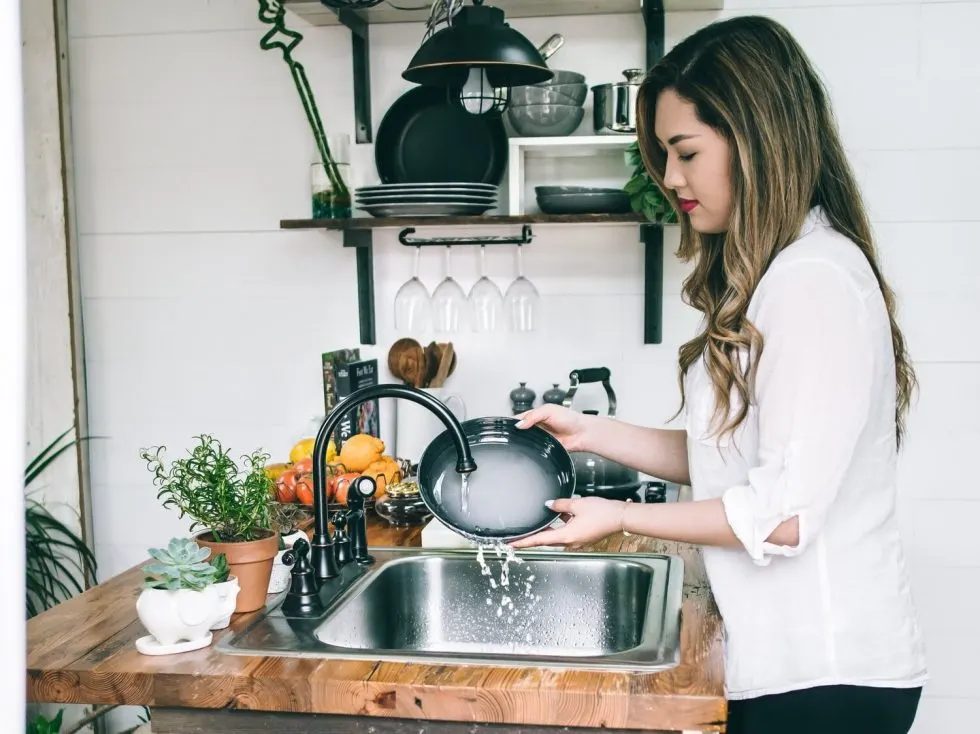
The sink is one of the best places in the house to practise. Feel the temperature of the water, the weight of the bowl, the sound of the tap. When your mind runs off to tomorrow's lunches, gently bring it back to your hands. Nobody in the family will notice, and you will finish the dishes calmer than you started.
3. Eat one thing slowly
Most parents eat standing up, off someone else's plate. Once a day, choose one mouthful, even a single piece of fruit, and actually taste it. Notice texture, flavour and how your body responds. Mindful eating is a small anchor that reminds you that you are a person who deserves nourishment too.
4. Use the waiting
Parenting is full of dead time: the pick-up line, swimming lessons, the doctor's waiting room. Instead of reaching for your phone, look up. Notice five things you can see, four you can hear, three you can feel. This is a classic grounding practice and it works anywhere.
5. Listen with your whole body
When your child is telling you a long story about a game, put the phone down, turn your body towards them and listen as if it is the only thing happening. It is a mindfulness practice and a parenting practice at once. Children can tell the difference, and so can you.
6. Name the feeling
When you feel the fuse getting short, silently name what is going on. "This is frustration." "This is tiredness." Naming an emotion creates a tiny gap between the feeling and your reaction, and that gap is where a better response lives. It also models something powerful for kids when you say it out loud in a calm voice.
7. Make bedtime a shared practice
Once the lights are low, lie next to your child and breathe together. Ask them to put a hand on their belly and feel it rise and fall. A few minutes of this settles both of you, and many parents tell me it has become the part of the day they look forward to most. If you like a guided option, a short recording from our meditations collection works beautifully here.
8. Ten minutes that are only yours
All of the above is mindfulness on the run. It is still worth protecting one small block of formal practice, because that is where the skill deepens. Ten minutes before the house wakes, or during the first nap, or after the kids are down. Guard it the way you guard their bedtime. If sitting alone feels hard at first, a structured start like our 7-day meditation course gives you a short guided session each day and takes the decision-making out of it.
Be kind about the days it does not happen
There will be days when you forget every one of these. That is not failure, that is parenting. Mindfulness includes noticing that you have lost the thread and picking it up again without a lecture. Every time you come back, the habit gets stronger. Progress here is measured in small, repeated returns, not in perfect streaks.
Keep going with us
If you would like guidance and company in your practice, our class timetable are designed for people who cannot easily get out of the house, and you are always welcome at our South Melbourne studio when you can. For the honest side of taking time for yourself as a mum, read Bel's how to overcome mummy guilt, and if you are in the newborn haze, Patricia's mindfulness for new mamas was written for you.